Introducing Your Newfoundland Puppy to Water Rescue Training: Building Confidence, Skills, and Trust
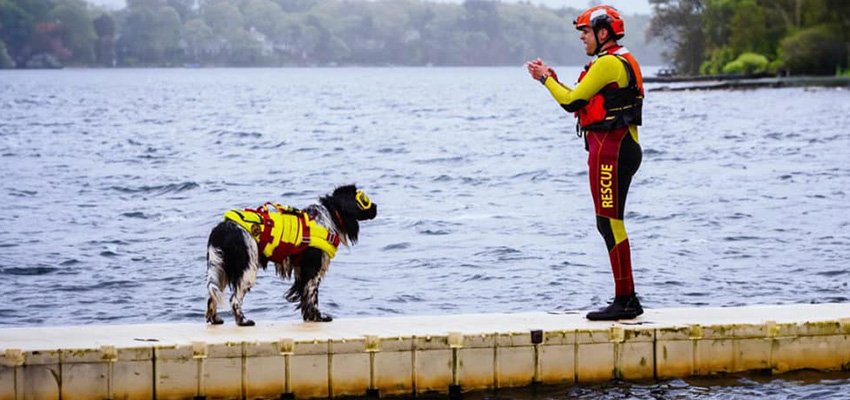
There are few dog breeds in the world as naturally gifted in the water as the Newfoundland. With their powerful build, webbed feet, water-resistant double coat, and remarkable instinct to assist people, Newfoundlands have earned an enduring reputation as one of history's greatest water rescue dogs. For centuries, they have worked alongside fishermen, rescued sailors from icy waters, and demonstrated an extraordinary willingness to place themselves between danger and those in need.
At Creek's Edge Newfoundlands, we believe one of the greatest joys of raising a Newfoundland is watching these remarkable instincts begin to emerge. While not every Newfoundland will become a certified water rescue dog, introducing your puppy to water in a positive, structured manner helps develop confidence, trust, and physical ability while strengthening the incredible bond between you and your dog. Water training isn't simply about teaching swimming—it's about nurturing natural instincts through patience, encouragement, and positive experiences.
Whether your goal is recreational swimming, preparing for water rescue titles, or simply helping your puppy become a confident companion around lakes and rivers, beginning with the right foundation is essential. Early experiences shape your Newfoundland's lifelong relationship with water, and a thoughtful approach ensures those experiences remain enjoyable, safe, and rewarding.
Why Newfoundlands Are Born for Water
Few breeds possess the natural advantages that make Newfoundlands exceptional swimmers. Their entire structure was developed over generations to work in harsh maritime environments. Large webbed feet function like powerful paddles, while their broad chest provides tremendous strength and endurance in the water. Their thick double coat offers insulation against cold temperatures, allowing them to remain comfortable in conditions that would challenge many other breeds.
Just as important as their physical characteristics is their temperament. Newfoundlands possess an uncommon combination of intelligence, calmness, and problem-solving ability. They don't simply react impulsively—they evaluate situations carefully before acting. This thoughtful nature has made them trusted working partners throughout history and continues to make them outstanding candidates for modern water rescue training.
Many Newfoundland owners notice their puppies showing curiosity toward water almost immediately. Some eagerly splash through puddles, while others cautiously investigate shallow creeks or ponds. Every puppy develops at a different pace, and neither personality is better than the other. The goal isn't to force enthusiasm but to encourage confidence through positive experiences that allow each puppy to progress naturally.
Water rescue training builds upon instincts already present within the breed. Proper training simply provides structure, communication, and confidence that allow those instincts to flourish.
The Best Age to Introduce Water
One of the most common questions new Newfoundland owners ask is when to begin water training. The answer surprises many people—much earlier than formal rescue work.
Young puppies can begin developing positive associations with water as soon as they have settled comfortably into their new home and your veterinarian approves age-appropriate activities. During the earliest months, however, the emphasis should never be on swimming long distances or performing structured exercises. Instead, focus on exploration, curiosity, and confidence.
Shallow water provides the ideal environment for early introductions. Calm shorelines, gently sloping beaches, and quiet ponds allow puppies to investigate at their own pace. Let your puppy choose whether to step into the water. Avoid carrying them into deeper water or forcing them beyond their comfort zone. Building trust means allowing your puppy to believe they always have control over the experience.
Many puppies initially enjoy standing ankle-deep while splashing at moving water or chasing floating leaves. Others may gradually venture farther as confidence grows. Every successful experience builds emotional security that becomes invaluable later in training.
Remember that confidence develops much more quickly than fear disappears. One frightening experience can delay progress significantly, making patience one of your most valuable training tools.
Creating Positive First Experiences
Your puppy's earliest interactions with water should feel like play rather than training. Keep sessions short, relaxed, and filled with praise. Choose warm days with calm water and minimal distractions. The goal is for your Newfoundland to associate water with fun, safety, and spending time with you.
Bring favorite toys that float naturally. Soft floating bumpers or rubber retrieving toys often encourage puppies to step farther into shallow water without even realizing they're building confidence. Keep throws extremely short—often just a few feet into ankle-deep water is enough.
Celebrate every success enthusiastically. If your puppy places one paw into the water, praise them. If they splash happily, praise them. If they decide today's adventure ends at the shoreline, that's perfectly acceptable too. Training should always conclude on a positive note before your puppy becomes tired or overwhelmed.
Avoid loud environments during these early sessions. Crowded beaches, boats, barking dogs, and heavy waves can create unnecessary stress. Quiet settings help your puppy focus entirely on exploring water while trusting your guidance.
Confidence is built through hundreds of small victories rather than one dramatic breakthrough.
Building Trust Through Consistent Training
Water rescue begins with trust long before it involves swimming techniques or retrieving exercises. Your Newfoundland must learn that you provide safety, encouragement, and clear communication in every environment.
Consistency builds this trust. Use familiar commands during water sessions that your puppy already understands on land. Commands such as "come," "wait," "easy," and "good" help create continuity between everyday obedience and water work.
Never use water as punishment or force your puppy into situations they fear. Doing so damages confidence and may create lifelong hesitation around water. Instead, become your puppy's greatest source of reassurance. Stay calm, smile often, and celebrate progress regardless of how small it seems.
Your body language matters just as much as your words. Walk confidently into shallow water yourself if conditions allow. Many Newfoundland puppies naturally follow trusted family members. Seeing you relaxed encourages them to investigate with confidence.
Training sessions should end while your puppy still wants more. Leaving the water excited creates anticipation for the next lesson rather than exhaustion or frustration.
Developing Swimming Skills Safely
Most Newfoundland puppies discover swimming naturally once they become comfortable entering the water. Their bodies instinctively coordinate efficient swimming motions with remarkably little instruction. Nevertheless, owners should supervise every swimming session carefully.
Choose locations with gradual depth transitions so puppies can determine when they're ready to float. Avoid steep drop-offs where puppies suddenly lose footing before they're prepared.
Many owners find that wearing waterproof shoes and accompanying their puppy into shallow water provides additional reassurance. Remaining nearby allows gentle guidance while giving your puppy confidence to explore independently.
Canine life jackets can be valuable during early swimming experiences, especially around boats or larger bodies of water. While healthy Newfoundlands generally swim exceptionally well, life jackets provide additional safety and allow puppies to focus on learning rather than struggling.
Watch carefully for signs of fatigue. Although Newfoundlands are powerful swimmers, puppies tire much more quickly than adults. Several short sessions produce better results than one lengthy workout.
As your puppy matures, swimming gradually becomes an excellent low-impact exercise that strengthens muscles while placing minimal stress on developing joints.
Introducing Basic Water Rescue Skills
Formal rescue work begins only after your Newfoundland has developed confidence, physical maturity, and reliable obedience. The earliest exercises focus on cooperation rather than lifesaving techniques.
Retrieving floating objects provides an excellent starting point. Encourage your puppy to swim short distances toward a favorite bumper before returning directly to you for praise and rewards. Keep retrieves short and enjoyable.
Teaching directional commands while swimming strengthens communication. Calling your puppy from different shoreline locations encourages attentiveness even while distracted by exciting surroundings.
As confidence grows, puppies can begin learning to tow lightweight floating objects. This introduces the concept of pulling resistance without placing strain on developing muscles or joints.
Many water rescue clubs gradually introduce exercises involving retrieving life rings, approaching swimmers calmly, and towing small boats. These advanced skills should always be taught under experienced supervision once your Newfoundland reaches appropriate maturity.
Throughout every stage, enthusiasm remains more important than precision. A confident dog eager to work learns advanced skills much faster than one who has become anxious through excessive pressure.
Safety Always Comes First
Despite their natural abilities, Newfoundlands should never be placed in dangerous water conditions unnecessarily. Strong currents, cold temperatures, fast-moving rivers, large waves, and unfamiliar bodies of water require careful evaluation before any training session.
Weather conditions deserve equal attention. Summer heat can quickly lead to overheating before or after swimming. Likewise, cold water combined with strong winds may chill puppies despite their insulating coat.
Always inspect water quality before allowing your dog to enter. Hidden debris, sharp rocks, fishing hooks, algae blooms, and submerged hazards can pose significant risks.
Rinse your Newfoundland thoroughly after swimming, especially following exposure to saltwater or chlorinated pools. Dry the ears carefully to reduce the likelihood of ear infections, and inspect paw pads for cuts or abrasions.
Fresh drinking water should always be available immediately after swimming. Discourage excessive drinking from lakes or ponds whenever possible.
Remember that no amount of instinct replaces responsible supervision. Even the world's greatest swimming breed depends upon thoughtful owners who prioritize safety above all else.
The Emotional Benefits of Water Training
Water rescue training offers benefits extending far beyond physical fitness. Every successful session strengthens communication, mutual trust, and emotional connection between owner and dog.
Newfoundlands genuinely enjoy having meaningful work. Training provides mental stimulation while satisfying their natural desire to cooperate with people. Even simple water exercises challenge their intelligence and encourage problem-solving.
Swimming also builds confidence in cautious puppies. As they overcome small challenges through positive experiences, many owners notice increased confidence in other areas of life as well.
For families, water activities create lasting memories. Weekend trips to the lake, quiet mornings along the shoreline, or afternoons practicing retrieves become treasured traditions shared with a beloved companion.
Many owners eventually pursue organized water rescue titles through breed clubs and working dog organizations. Others simply enjoy watching their Newfoundland demonstrate the remarkable instincts that have defined the breed for generations. Both paths celebrate the same extraordinary qualities that make Newfoundlands so beloved.
A Lifelong Journey of Partnership
Introducing your Newfoundland puppy to water rescue training is about far more than teaching swimming skills. It's about building confidence, developing communication, strengthening trust, and honoring one of the breed's most remarkable historical purposes.
Every confident step into shallow water, every successful retrieve, and every joyful swim contributes to your puppy's emotional and physical development. By allowing progress to occur naturally through patience and encouragement, you help preserve the gentle spirit that defines the Newfoundland while nurturing the courage and capability that have made the breed legendary for centuries.
At Creek's Edge Newfoundlands, we believe every puppy deserves the opportunity to discover the joy of water in a safe, positive, and supportive environment. Whether your Newfoundland eventually earns water rescue titles, accompanies your family on lakeside adventures, or simply delights in splashing through the shallows, these experiences deepen the bond that makes life with a Newfie so extraordinary.
The greatest reward isn't a ribbon, title, or accomplishment—it's watching your Newfoundland look back at you from the water with complete trust, ready for whatever adventure comes next. That partnership, built on confidence, patience, and unconditional love, is the true heart of water rescue training and one of the greatest gifts this remarkable breed has to offer.
